
Imagine your furnace failing during a cold, rainy Gresham winter night. Temperatures drop fast, your home gets uncomfortable, and you’re suddenly facing an urgent replacement you didn’t plan for.
For many homeowners, furnace replacement becomes necessary at the worst possible time, when costs feel higher, schedules are tight, and options feel limited.
At Comfort Connection, we help homeowners across Gresham, OR and the Greater Portland area plan ahead, understand furnace replacement costs, and avoid stressful mid-winter breakdowns. As a family-owned and operated company serving the region since 1998, we focus on reliable, straightforward guidance, so you can make confident decisions that fit your home and budget.
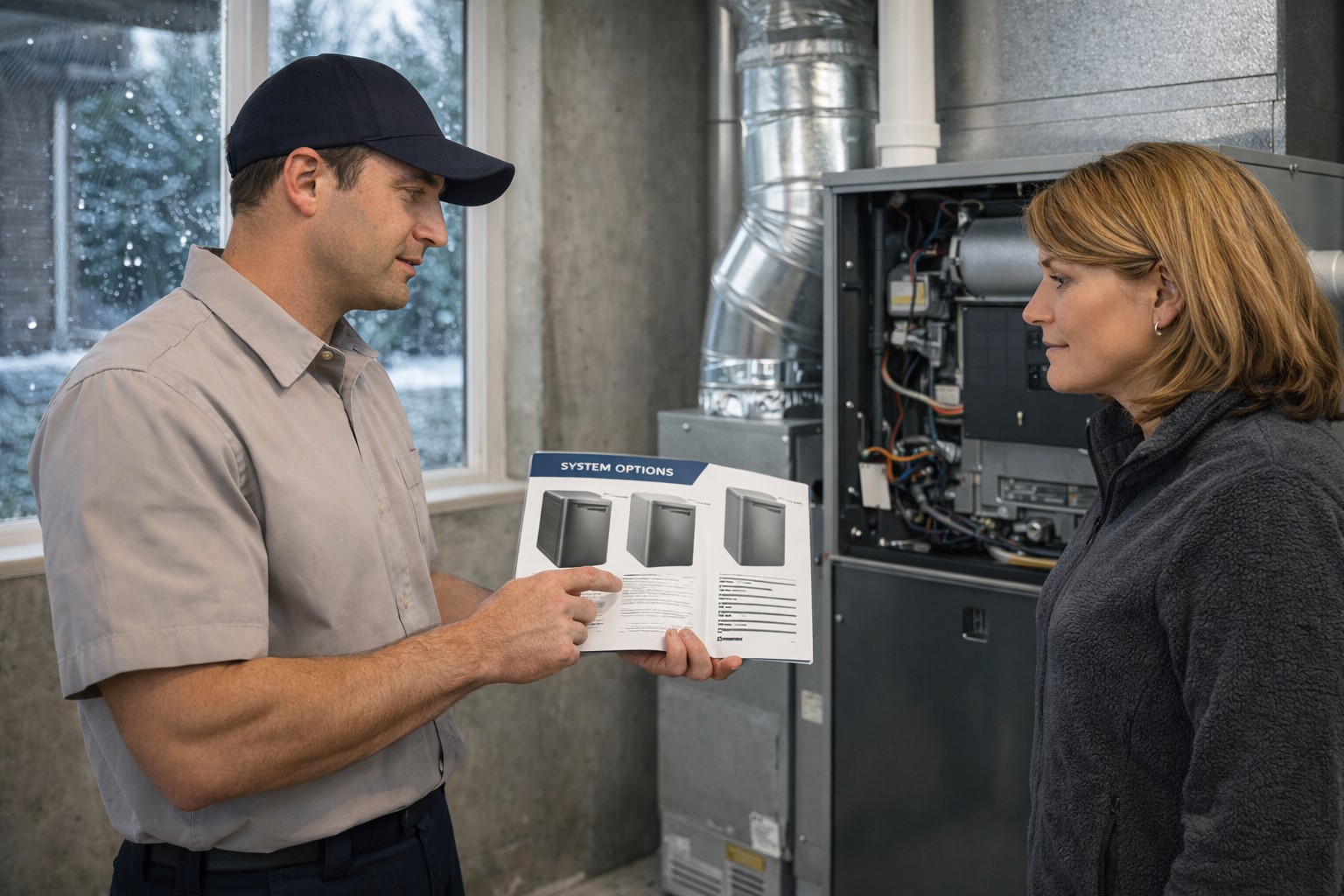
What Impacts Furnace Replacement Cost in Gresham, OR?
Furnace replacement costs vary because every home,and every installation,is different. The final investment depends on your home’s size, system efficiency, and what updates are needed to install your new equipment correctly and safely. Understanding the factors below will help you budget with more confidence, compare options more effectively, and reduce the chance of surprise costs.
Furnace Size and Heating Capacity (BTUs)
Choosing the right furnace size is one of the biggest drivers of both cost and comfort. A furnace that’s too small may run constantly and still struggle to heat your home evenly, while a furnace that’s too large can short-cycle (turn on and off frequently), wasting energy and increasing wear on components. To avoid those issues, a professional load calculation helps match your new system to your square footage, insulation and air leakage levels, window quality and sun exposure, and your home’s layout and airflow needs. In Gresham’s damp, chilly winters, correct sizing is essential for consistent comfort and long-term efficiency,because bigger isn’t better; proper sizing is what saves money and improves performance.
Quick takeaway: The best furnace is the one sized to your home,not the biggest model on the shelf.
Energy Efficiency Rating (AFUE)
Modern furnaces are far more efficient than many older systems. While aging units may operate around 60–70% AFUE, many standard modern systems fall in the 80–90% AFUE range, and high-efficiency models can reach 95%+. Higher efficiency typically increases the upfront cost, but it can reduce monthly heating bills,especially in a climate where heating demand stays high for much of the year. Efficiency upgrades can also lower long-term operating costs, improve comfort consistency, and reduce environmental impact.
Quick takeaway: Higher AFUE often costs more upfront but can pay back over time through lower heating bills.
Installation Complexity
The installation itself can change the total cost significantly. Replacement may require additional work such as ductwork modifications or repairs, venting upgrades, electrical updates, gas line adjustments, or code-related improvements. Older homes in Gresham, Troutdale, Fairview, and Sandy sometimes need updates to meet current safety and efficiency standards. Planning early helps you avoid rushed, last-minute decisions,because emergency replacements can increase complexity (and cost) when you have fewer scheduling and equipment options.
Quick takeaway: The more updates a home needs (ducts, venting, electrical), the more the project can cost,but those updates can also improve safety and performance.
Features, Technology, and Warranty
Today’s furnaces can include comfort and efficiency features that may raise the initial price but improve everyday experience, such as variable-speed blowers, two-stage heating, smart thermostat compatibility, and enhanced manufacturer warranties. These features can deliver quieter operation, steadier temperatures, and better energy control. The key is choosing options that match your comfort goals and your budget.
Quick takeaway: Features can raise upfront cost, but the right ones may improve comfort and efficiency for years.
Signs It’s Time to Replace Your Furnace
Catching issues early can help you avoid an emergency replacement in the coldest part of the year. If you recognize warning signs soon enough, you can compare options without pressure, choose the right efficiency level, and schedule installation at a more convenient time.
Your Furnace Is 15–20+ Years Old
As furnaces age, internal parts wear down, efficiency drops, and repair needs become more frequent. In the Pacific Northwest,where heating systems work hard for long stretches,replacing before total failure can prevent sudden breakdowns and unexpected expenses.
Frequent or Expensive Repairs
If repairs are becoming a regular occurrence, replacement may be more cost-effective than continuing to invest in an aging system. A common rule of thumb is that if repair costs start approaching half the price of a new furnace, it’s worth exploring replacement,especially if reliability is declining.
Uneven Heating or Cold Rooms
If some rooms stay cold while others are comfortable, it can point to issues such as a failing blower motor, aging internal components, airflow problems, or even a cracked heat exchanger (a serious safety concern). Uneven temperatures reduce comfort and can be an early sign of bigger problems.
Rising Energy Bills
When your furnace works harder but delivers less comfort, energy use often climbs. A noticeable increase in heating costs,especially year-over-year,can indicate declining efficiency or system strain. Replacing an inefficient furnace can restore comfort and potentially reduce long-term utility costs.
What to Do If You Notice These Warning Signs
If you suspect your furnace is nearing the end of its life, start with a few quick checks: confirm the system’s age (often listed on the manufacturer label), review recent repair history, compare heating bills year-over-year for unusual increases, and listen for new noises like banging, rattling, or squealing. A professional inspection gives you a clear picture of whether repair or replacement makes the most sense.
Safety first: Turn off your furnace and contact a professional right away if you notice burning odors, carbon monoxide detector alerts, visible cracks in the heat exchanger, or repeated short cycling. These can signal urgent safety concerns.
How Regular Maintenance Can Prevent Expensive Replacement
Routine maintenance can extend the life of your furnace and protect your investment by catching small issues before they become expensive failures. Annual tune-ups can help improve efficiency and reduce heating bills, lower the risk of breakdowns, enhance operational safety, and maximize equipment lifespan. A seasonal tune-up now can help you avoid premature replacement later.
Furnace Replacement in Gresham, OR: Local Climate Considerations
Homes in Gresham and nearby communities deal with long heating seasons, winter moisture, and the steady system strain that comes with Pacific Northwest weather. That makes correct sizing, smart efficiency choices, and professional installation especially important. Because our team works throughout the Greater Portland area, we’re familiar with local code requirements, regional comfort challenges, and the heating demands specific to Gresham-area homes,so your replacement is built for dependable, lasting performance.
Why Planning Ahead Saves You Money on Furnace Replacement
Replacing your furnace before it fails completely gives you more equipment options, better scheduling flexibility, less financial stress, and time to compare efficiency levels and features. Emergency replacements often limit choices,and that can increase overall project costs. If you’ve noticed early warning signs, planning ahead is one of the easiest ways to stay in control.
FAQs About Furnace Replacement in Gresham, OR
Question: How much does furnace replacement cost in Gresham, OR?
Answer: Furnace replacement costs vary depending on system size, efficiency rating, and installation requirements. Higher-efficiency models typically cost more upfront but reduce long-term energy expenses.
Question: Should I repair or replace my furnace?
Answer: If your furnace is over 15 years old and experiencing frequent breakdowns, replacement is often more cost-effective than continued repairs. A professional inspection can help you compare repair costs versus long-term savings from installing a new system.
Question: How long does furnace replacement take?
Answer: Most standard furnace replacements are completed within one day. More complex installations involving ductwork or code upgrades may require additional time.
Question: Will a new furnace lower my energy bills?
Answer: Modern high-efficiency furnaces are designed to use less fuel while delivering consistent heat. Upgrading from an older system can significantly reduce monthly heating costs.
Question: How often should I service my furnace?
Answer: Furnaces should be professionally inspected and maintained once per year. Scheduling service before the heating season helps ensure safe operation and peak efficiency.
Don’t Let Furnace Costs Catch You Off Guard
Waiting until your furnace fails can leave you scrambling during the coldest months of the year. Proactive replacement gives you predictable budgeting, better system selection, improved home comfort, and lower long-term operating costs.
At Comfort Connection, we’re known for friendly, dependable service and honest recommendations. We’ll take the time to understand your home, explain your options clearly, and provide a transparent quote,so you feel confident in your next step.
Still have questions about your furnace or replacement timeline? Call or request an estimate with Comfort Connection today.
 503-761-8888