
Is your furnace struggling to keep up with Oregon’s cold, damp winters? When temperatures drop in Gresham and east winds push through the Columbia River Gorge, a failing gas furnace can quickly turn from an inconvenience into an emergency.
Many homeowners wait until their system completely fails before asking about replacement costs. Unfortunately, that often means rushed decisions, limited equipment options, and more stress than anyone needs in the middle of winter.
At Comfort Connection, we help Gresham homeowners understand furnace replacement costs ahead of time, so you can plan confidently, explore the right options, and avoid mid-season breakdowns.
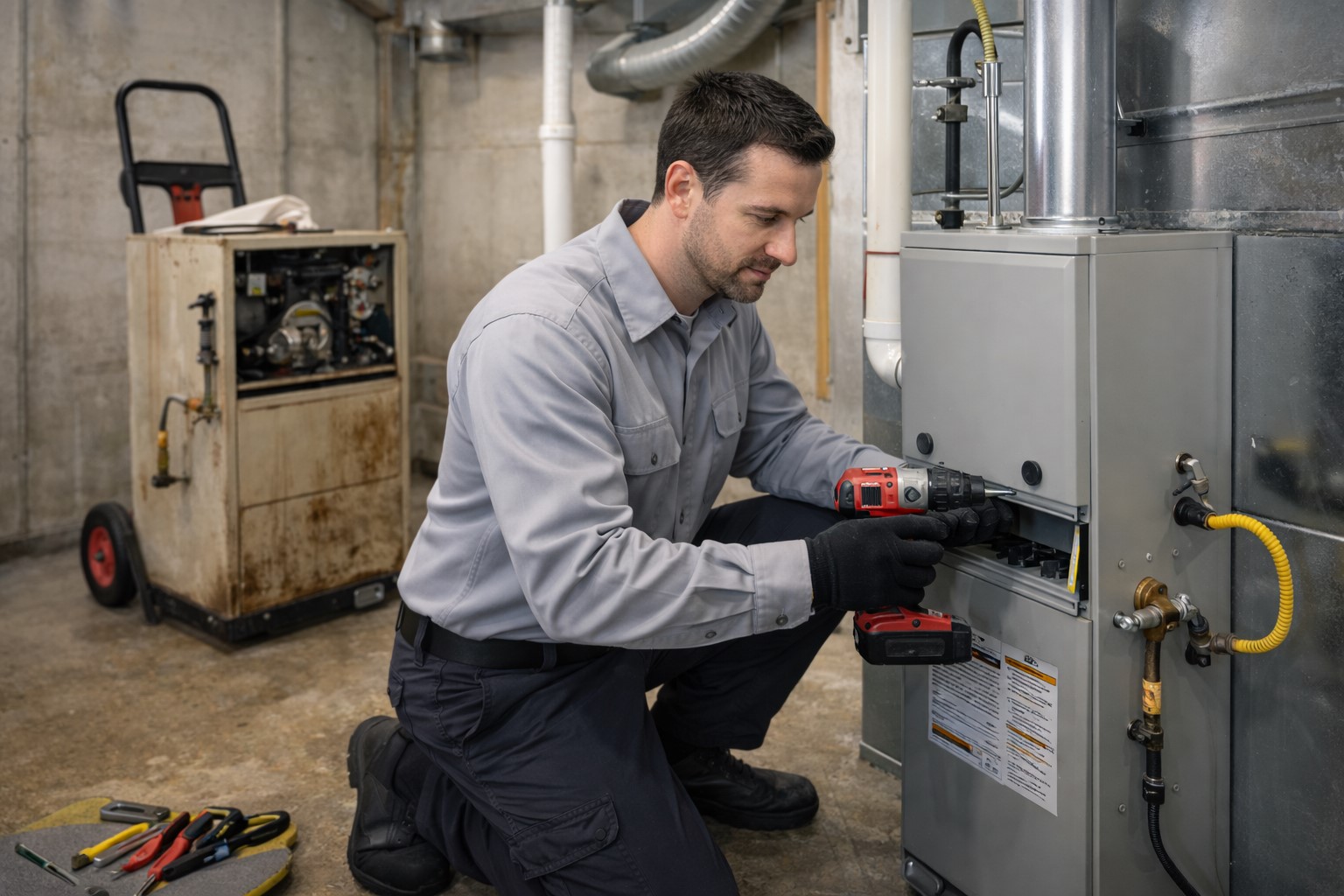
How Much Does Gas Furnace Replacement Cost in Gresham, OR?
In Gresham, OR, most gas furnace replacements range from $4,500 to $9,500, depending on the home and the equipment selected. Your final investment depends on several factors, including furnace size (BTU capacity), efficiency rating (AFUE), ductwork condition, venting requirements, permit and code compliance in Multnomah County, and any indoor air quality add-ons you choose to include. Because Oregon building codes and efficiency standards impact installation requirements, working with a licensed local HVAC professional helps ensure your system is installed safely, correctly, and to code.
What Impacts the Cost of Furnace Replacement?
Understanding the variables behind furnace pricing helps you make a smarter long-term decision. When you know what factors influence the total investment, you can compare options more confidently and avoid surprise add-ons.
- Higher-Efficiency Furnaces Cost More Upfront, But Save More Long-Term
Choosing a high-AFUE system (typically 90–98%) increases your upfront investment but can significantly reduce monthly heating costs over time. In Gresham’s extended heating season, high-efficiency systems often pay off through energy savings and improved performance. Delaying replacement of an inefficient furnace can cost you hundreds each year in wasted energy and unnecessary strain on aging components.
- Incorrect Furnace Size Can Increase Costs Later
An oversized furnace will short cycle (turning on and off frequently), while an undersized system may struggle to heat your home consistently. Proper furnace sizing requires professional load calculations that account for your home’s square footage, insulation levels, window efficiency, ceiling height, and local climate conditions. When your system is correctly sized, you benefit from more consistent comfort, better efficiency, and a longer equipment lifespan.
- Ductwork Modifications May Be Necessary
Many older homes in Gresham, Troutdale, and Fairview have aging or leaky duct systems that reduce efficiency and comfort. Common issues include air leaks in attic ducts, poor airflow design, undersized return vents, and a lack of proper sealing throughout the system. Upgrading ductwork during furnace replacement can noticeably improve airflow, increase efficiency, and help your new system perform the way it should.
- Local Permits and Safety Requirements
Furnace replacement in Oregon typically requires mechanical permits, code-compliant venting, carbon monoxide safeguards, and properly installed gas line connections. These requirements are designed to protect homeowners and ensure safe system operation. When you work with Comfort Connection, you can expect honest recommendations, a transparent quote, and an installation completed with local code and safety standards in mind.
Signs It’s Time to Replace Your Gas Furnace
Replacing your furnace before total failure gives you more control over timing, budget, and equipment selection. Instead of rushing into an emergency installation during the coldest week of the year, you can compare models, efficiencies, and features at your own pace. Planning ahead also allows you to schedule installation at a convenient time and potentially take advantage of seasonal promotions or rebates when they’re available.
Furnace Is 15–20 Years Old
Most gas furnaces last between 15 and 20 years before performance declines and repair frequency increases. As systems age, they lose efficiency and place more strain on internal components. If your furnace is nearing this range, proactive replacement often makes better financial sense than continuing to invest in repairs.
Rising Energy Bills Without Increased Usage
If your heating bills keep rising despite similar usage, your furnace may be losing efficiency and consuming more gas than necessary. Declining performance forces the system to work harder and run longer to maintain comfort. Upgrading to a modern, high-efficiency unit can stabilize energy costs and improve overall performance.
Frequent Repairs Are Adding Up
Multiple service calls within a short period are a strong indicator your furnace may be nearing the end of its lifespan. Repair costs can accumulate quickly, sometimes approaching a significant percentage of replacement value. A common rule of thumb is that when repair expenses exceed roughly half the cost of a new system, replacement is often the smarter long-term investment.
Uneven Heating or Cold Rooms
Uneven heating throughout your home may signal blower motor issues, heat exchanger concerns, airflow restrictions, or duct leaks. These problems reduce comfort and force your furnace to work harder than necessary. Ignoring these warning signs can leave you without heat when you need it most.
What to Do If You Suspect You Need Furnace Replacement
If you think your furnace may need replacement, start by confirming the system’s age using the data plate, paperwork, or installation records, then review recent energy bills for unusual increases. Pay attention to how often you’ve needed repairs, listen for unusual sounds like rattling, booming, grinding, or squealing, and check the burner flame color, healthy flames should appear blue rather than yellow.
Safety first: gas odors and carbon monoxide concerns
If you notice a gas odor, leave the home if the smell is strong or persistent, avoid using switches or flames, and contact your gas utility or emergency services from a safe location. If you suspect carbon monoxide exposure, which can include headache, dizziness, nausea, confusion, or unusual fatigue, get everyone to fresh air immediately and seek medical help. For repeated ignition failures or safety concerns, turn the system off at the thermostat (and if it’s safe and accessible, use the unit’s external service switch) and contact a licensed HVAC professional right away.
How Regular Maintenance Can Reduce Long-Term Replacement Costs
Preventative maintenance protects your investment and can extend the lifespan of your furnace. Annual tune-ups help improve efficiency, reduce the risk of unexpected breakdowns, enhance safety performance, and lower long-term repair costs. Routine service also allows small issues to be identified and corrected early, before they develop into major system failures.
Important Efficiency Insight for Gresham Homeowners
Many homes in East Portland and Gresham lose heated air through attic duct leaks, which can significantly reduce system efficiency. Addressing ductwork issues during furnace replacement can improve overall performance and may increase efficiency by up to 20% while improving indoor comfort. Taking care of duct sealing at the time of installation helps your new furnace operate at peak performance.
FAQs About Furnace Replacement in Gresham, OR
Question: How much does furnace replacement cost in Gresham, OR?
Answer: Most homeowners pay between $4,500 and $9,500 depending on furnace efficiency, home size, and installation requirements. The final price can vary based on ductwork updates, permit fees, and any energy-efficiency upgrades selected.
Question: Should I repair or replace my furnace
Answer: If your furnace is over 15 years old or repairs exceed 50 percent of replacement cost, replacement is usually the better long-term investment. A professional evaluation can help you compare short-term repair expenses against long-term energy savings and reliability.
Question: How long does furnace installation take?
Answer: Most furnace replacements are completed within one day unless duct modifications or additional upgrades are required. More complex installations involving venting changes or airflow improvements may take slightly longer.
Question: Will a high-efficiency furnace lower my heating bills?
Answer: Yes, high-efficiency systems reduce gas consumption and provide measurable long-term savings during Oregon’s extended heating season. Over time, improved efficiency can offset the higher upfront investment through lower monthly utility costs.
Question: Do I need a permit to replace my furnace in Gresham?
Answer: Yes, mechanical permits and code compliance are required to ensure safe and legal furnace installation. Working with a licensed HVAC contractor helps ensure all local regulations in Gresham are properly followed.
Plan Ahead and Avoid Emergency Replacement Costs
Replacing your gas furnace is a major investment, but waiting until it fails can lead to higher costs, limited options, and emergency scheduling headaches. Planning ahead gives you time to evaluate equipment choices carefully and schedule installation on your terms. If your system is aging, inefficient, or unreliable, now is the time to explore your options and make a confident, informed decision.
Ready to talk it through? Give Comfort Connection a call or schedule service to get straightforward guidance and a clear path forward.
 503-761-8888